How to follow the first ever big mothing year!
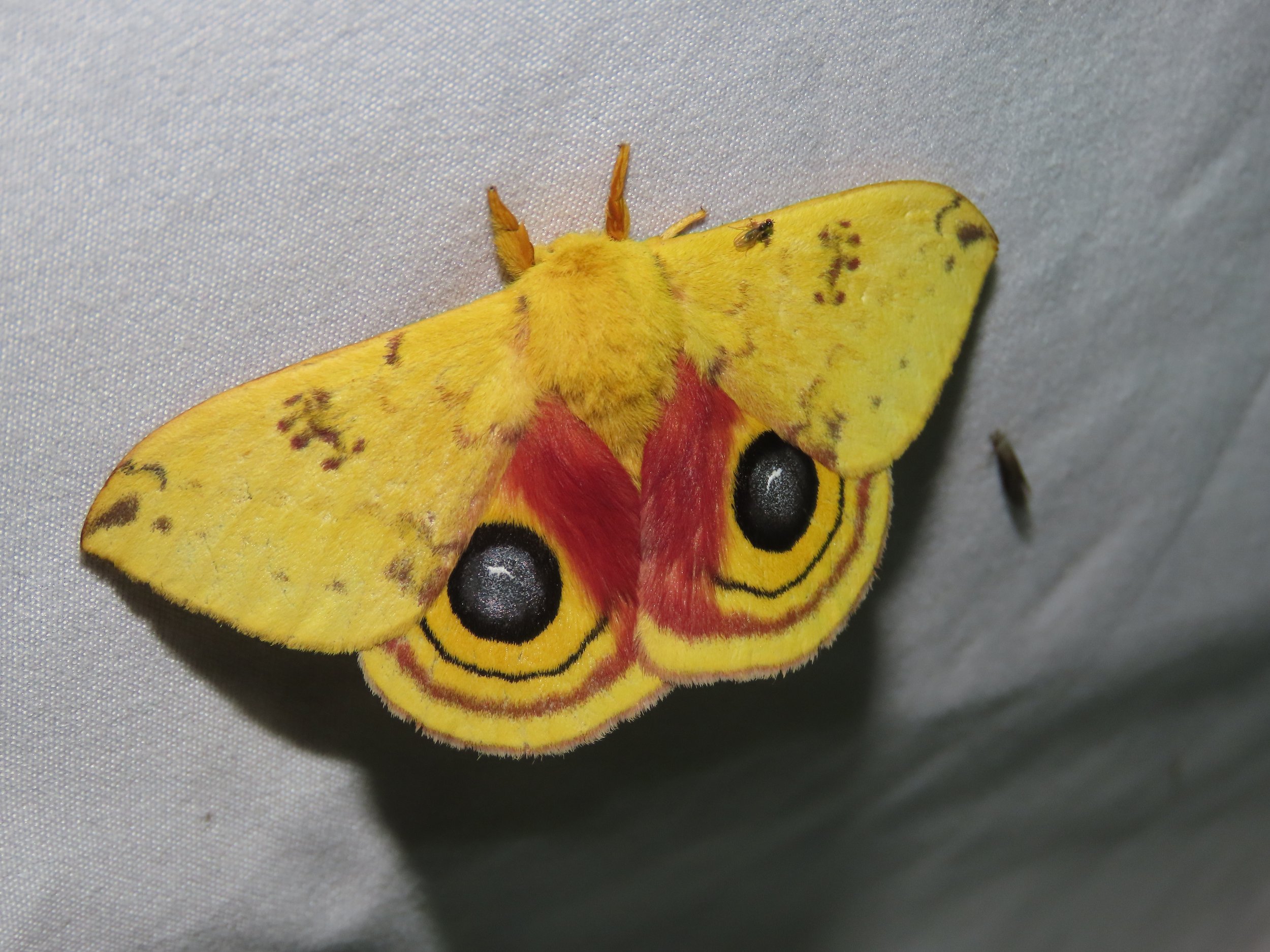
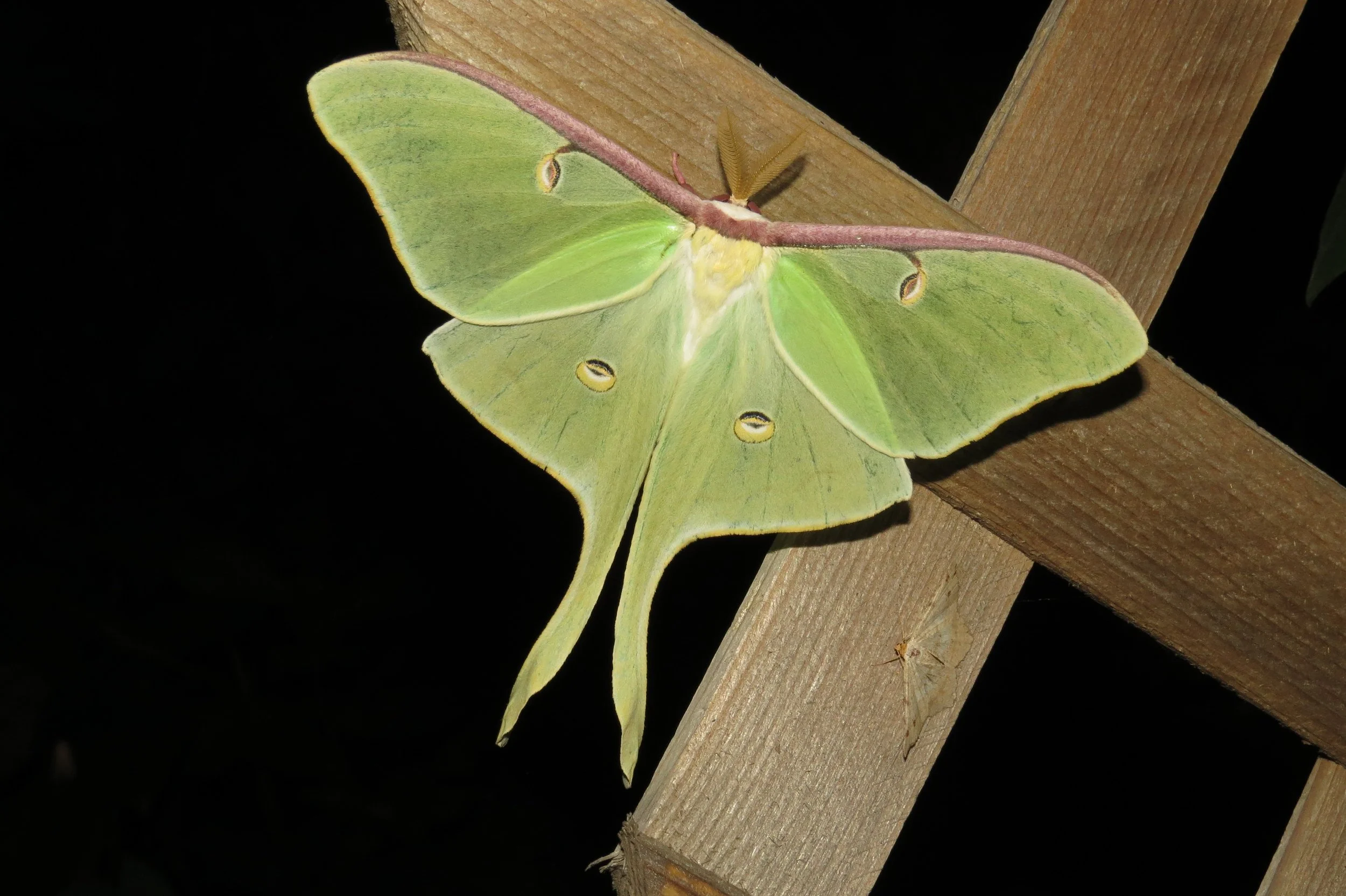
Moths are important pollinators. However, since they work under the cloak of darkness, most folks don’t realize just how important they are. Join with us as we spend 2027 documenting America’s moths.
Moths - The Forgotten Pollinators
Moths - The Forgotten Pollinators
OUR TEAM
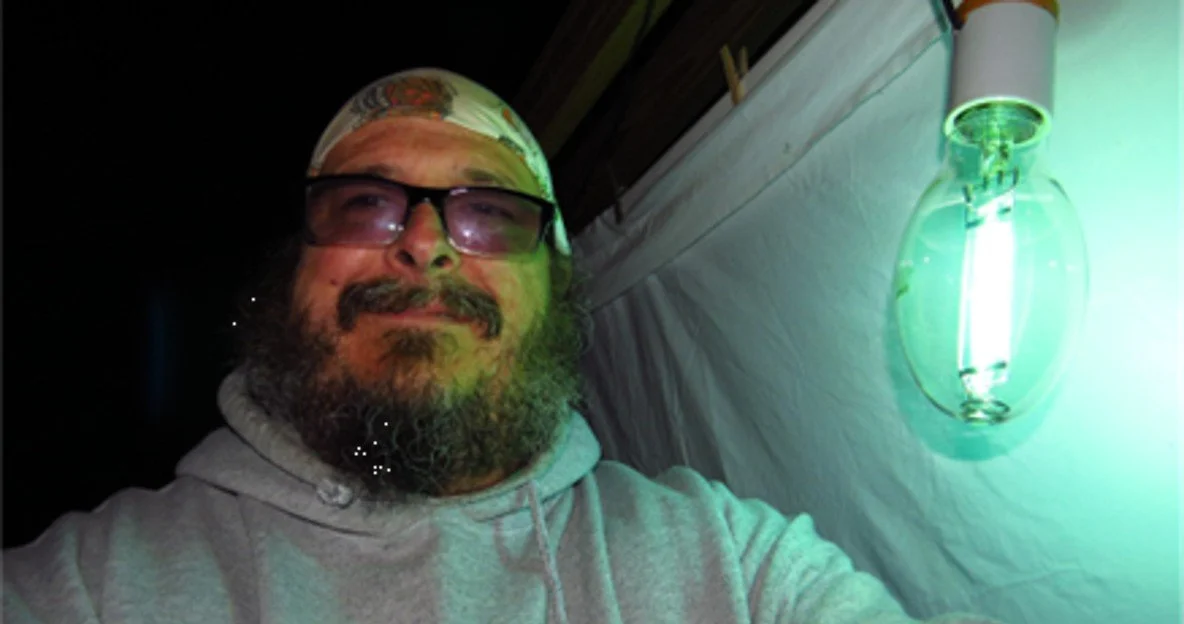

Christopher Kline
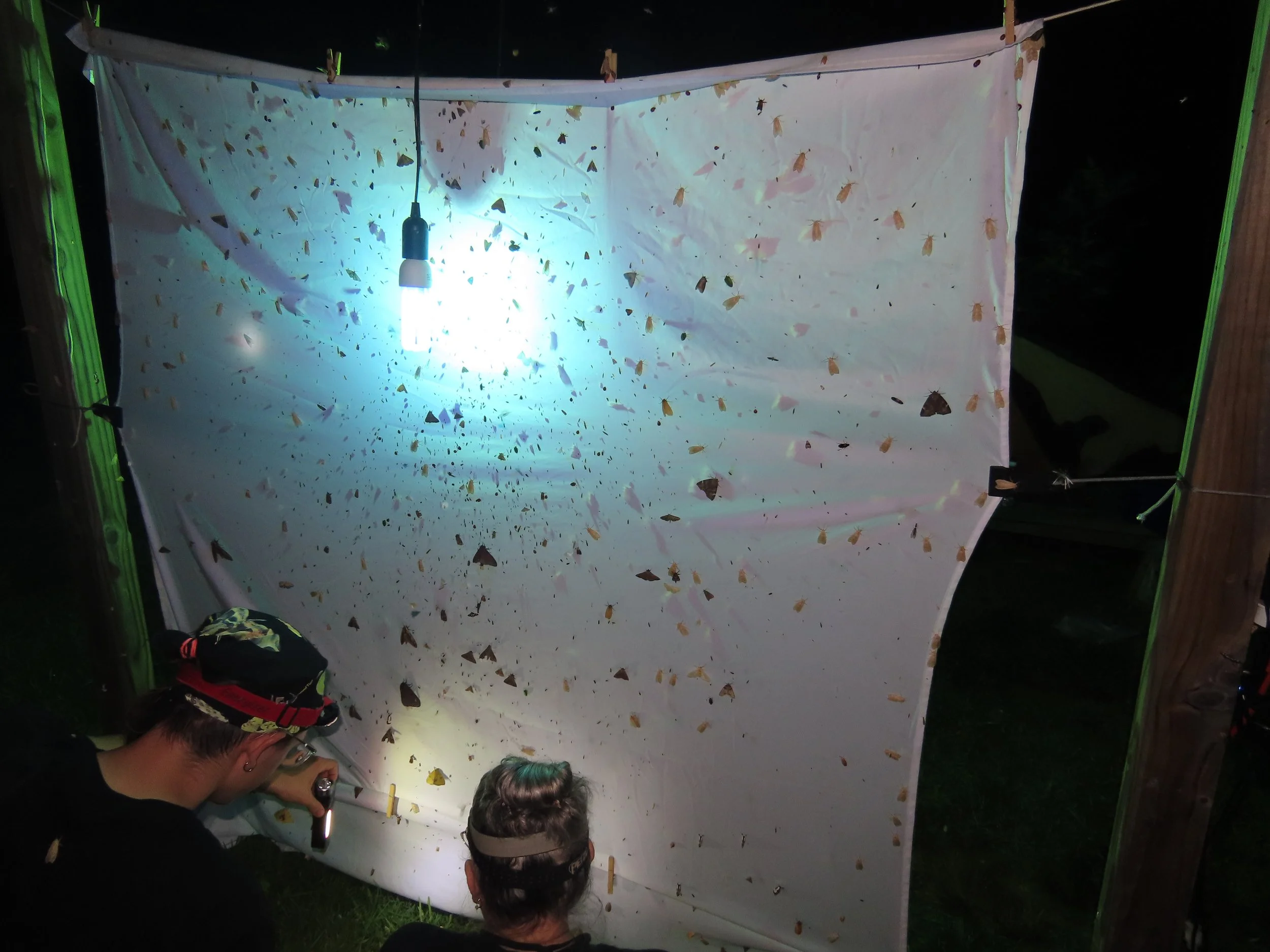
Chris is the lead researcher on the Moth Nights America project. He is the Director of Butterfly Ridge Butterfly Conservation Center in Rockbridge, Ohio and the President of the non-profit Polygonia Foundation. He has mothed throughout the United States and has documented well over 1000 species at Butterfly Ridge alone. He got his start into mothing while working at the Boyce Thompson Arboretum in 2006. His early mentor was Dr. Bruce Walsh of the University of Arizona.
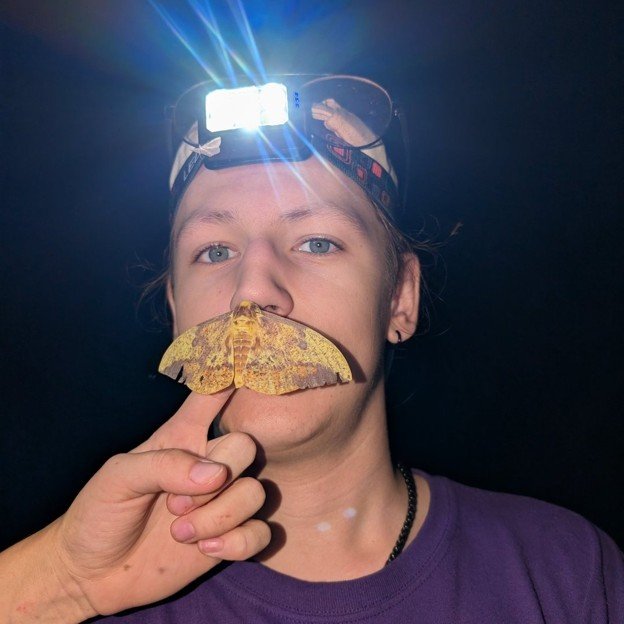
Pike Fetgatter
Pike recently graduated with a degree in Wildlife Management from Hocking College in southeast Ohio. To say that Pike is an arthropod nerd would be to vastly understate his love and interest in this important group. Pike has also documented and identified many species of moths from throughout Ohio.
Christopher Haskins
Chris is relatively new to the mothing scene. He recently joined the Mothing Mavericks mothing club in southeast Ohio and is an outstanding photographer. His knowledge of moths grows with each trip into the darkness!
MOTHS PLAY AN IMPORTANT ROLE
*
MOTHS PLAY AN IMPORTANT ROLE *
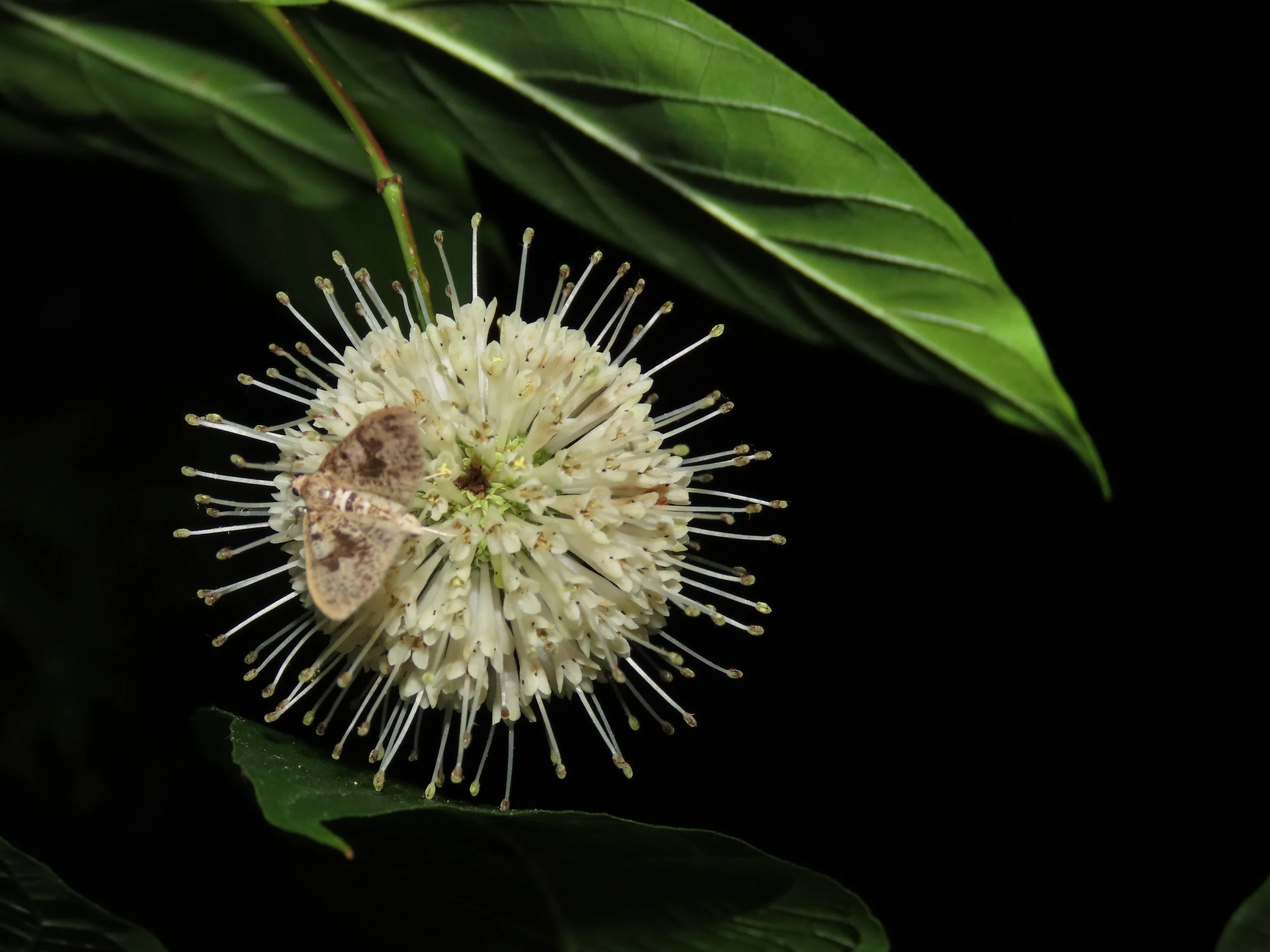
Moths play important roles in the ecosystem. They pollinate our plants. They provide food for other animals. It is estimate that a single clutch of chickadees requires 6000+ caterpillars to grow to adulthood. Moths also provide food for birds, bats, and even other insects. The health of your local ecosystem can easily be assessed by the diversity of your moth population.
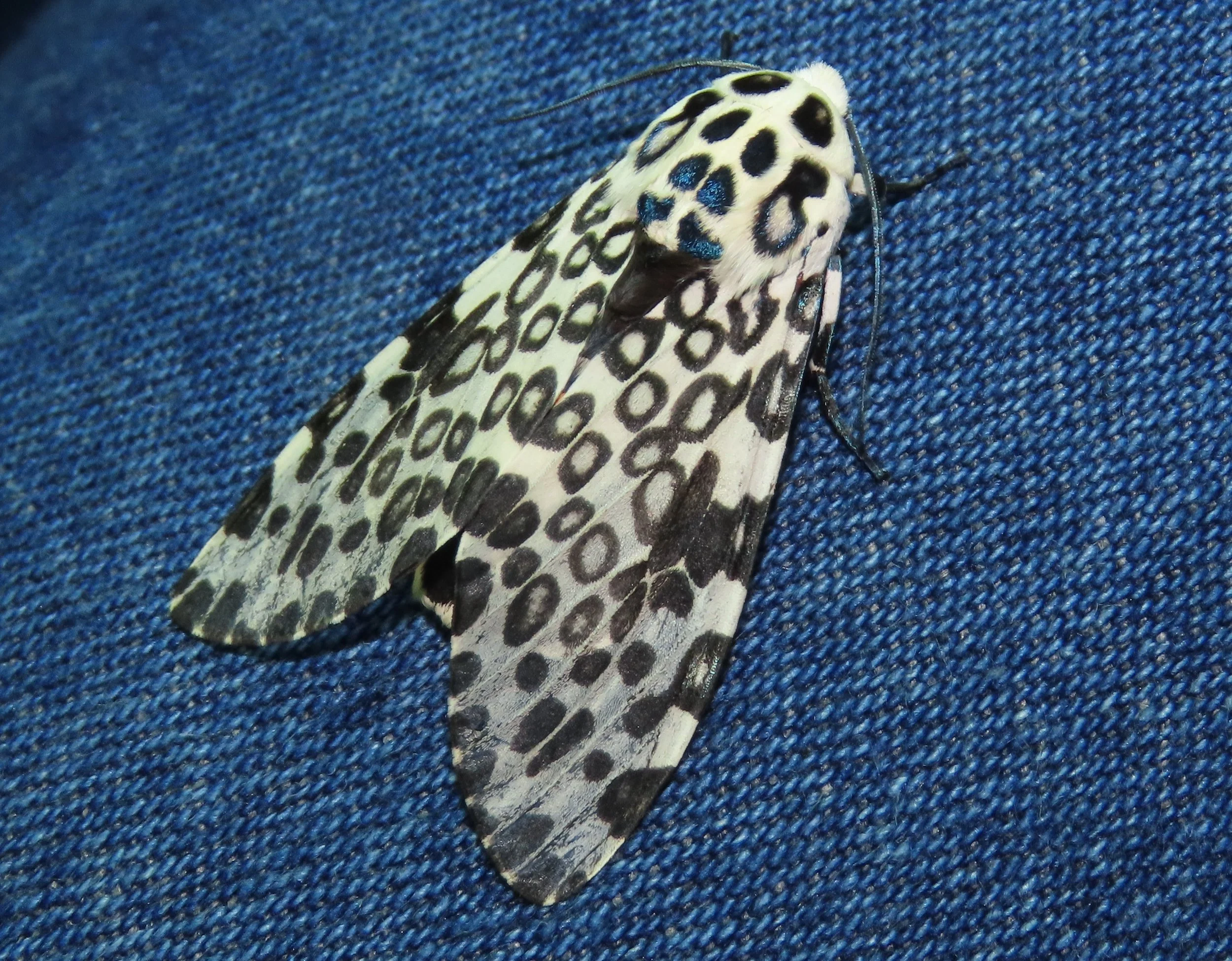
MOTH OF THE WEEK
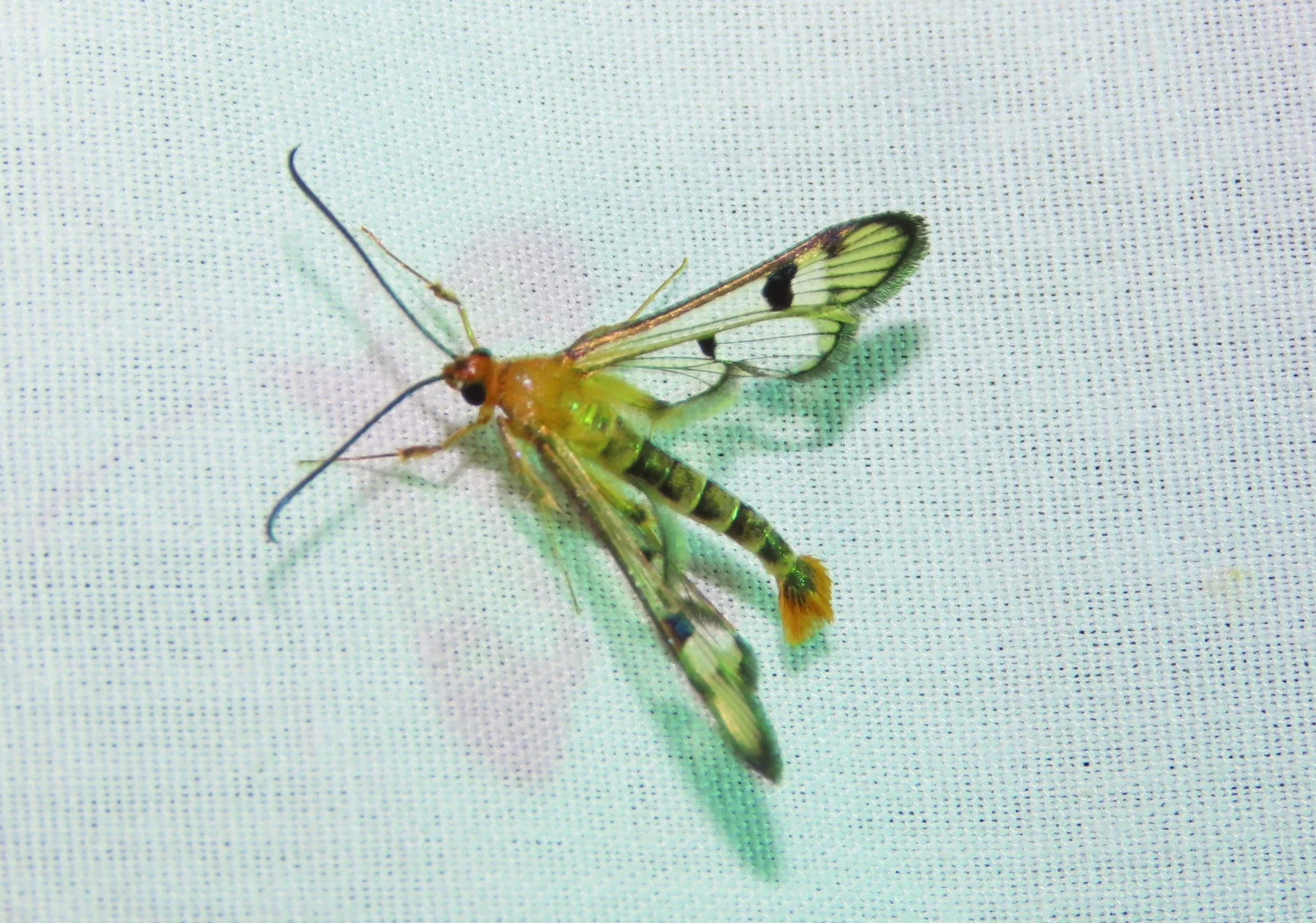
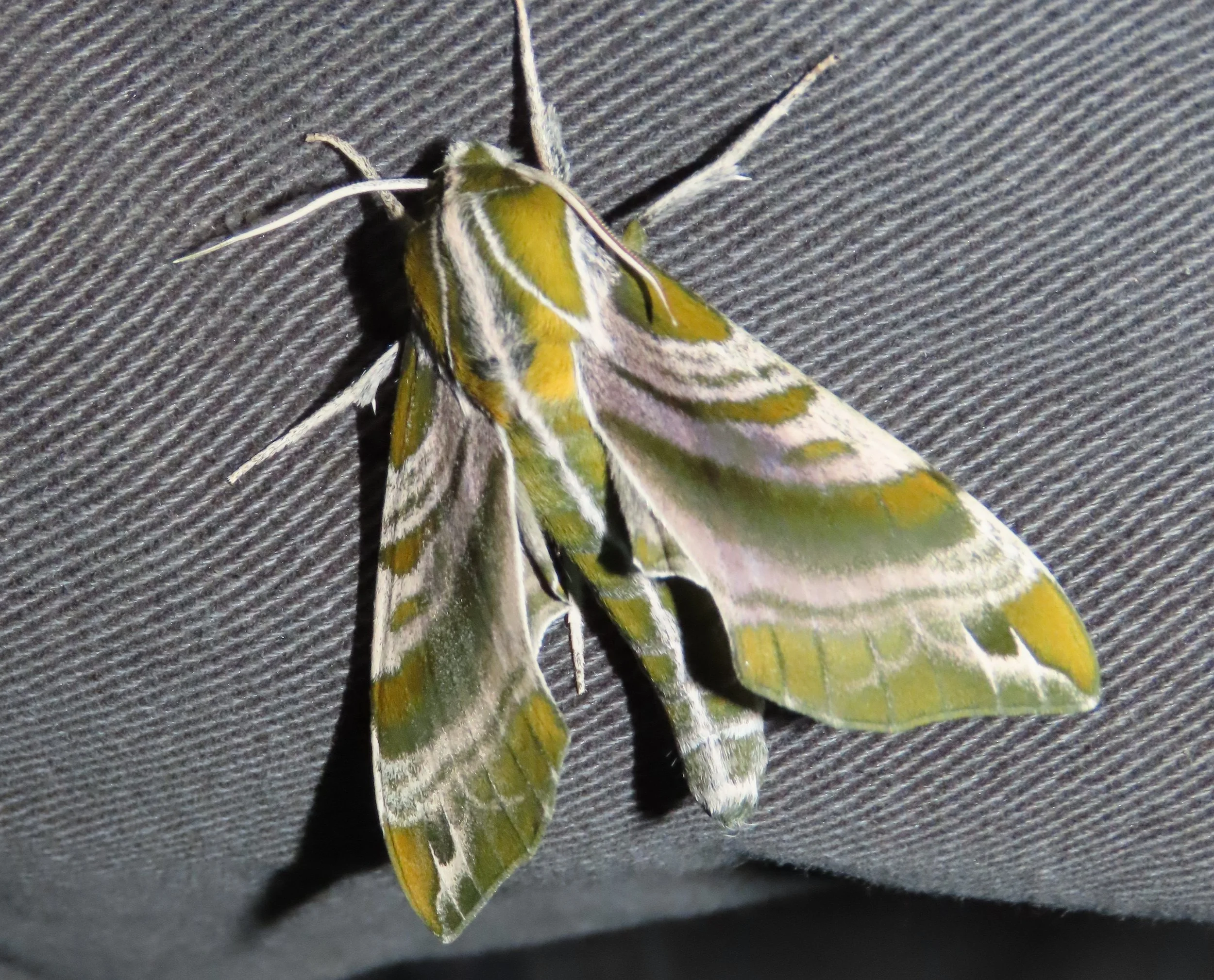
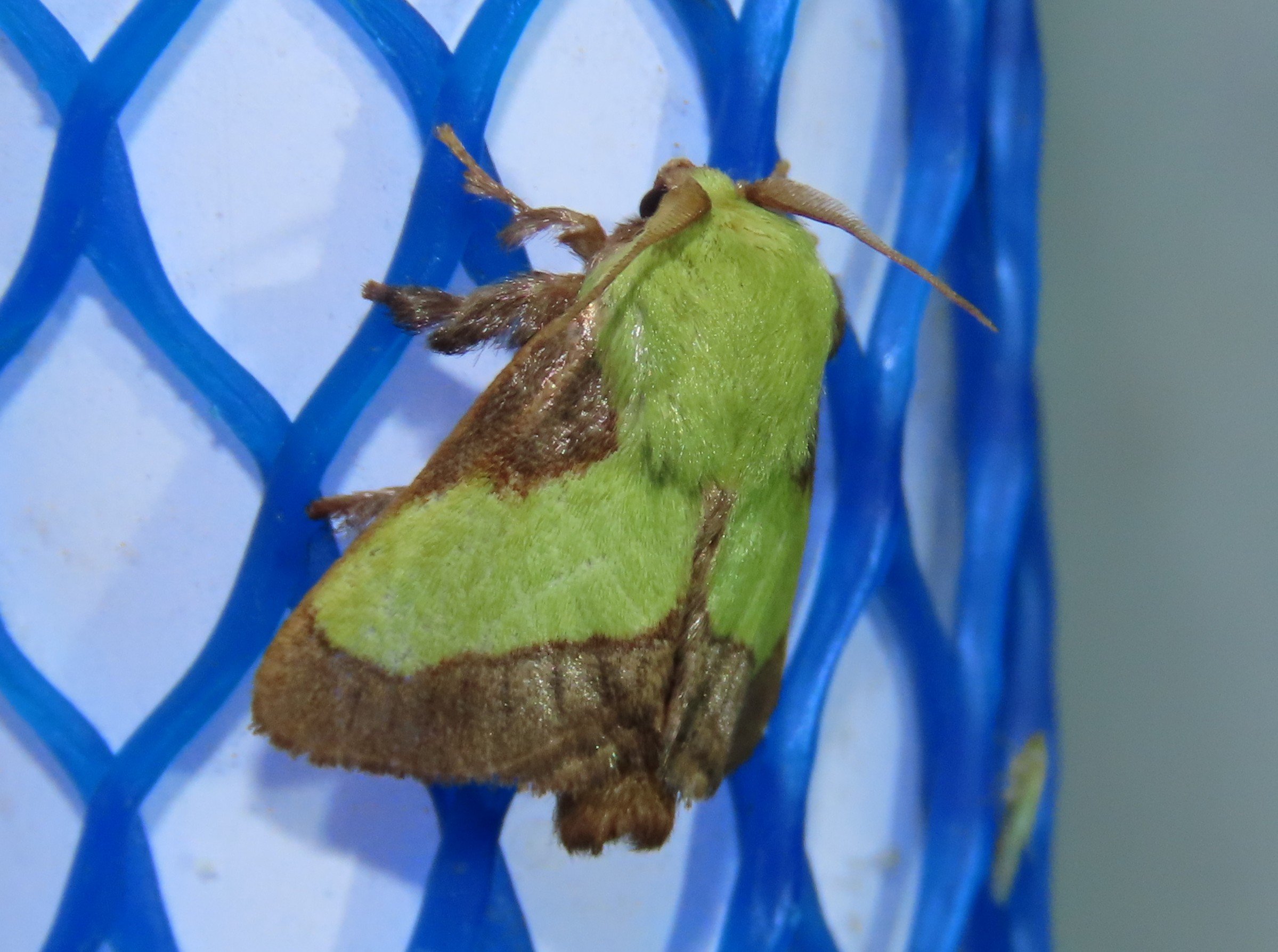
August 24, 2026 - Maple Callus Borer
This species is a wasp mimic. The larva bores through the bark and into the sapwood, where it spends the winter. The tree forms a callus around this bore wound, frequently being reinfected in the same spot. As the name implies, this wasp uses various maples as hosts.
Coming soon - Teacher curriculum and social media
〰️
Coming soon - Teacher curriculum and social media 〰️
yOU CAN HELP US BRING MOTHS TO THE NATION!
Complete the form; together, we’ll introduce America to these amazing insects!